QUESTIONS. ANSWERS. PEACE OF MIND.
PETTY WRAPS FAQ’S
Find answers about vehicle wraps, paint protection film, window tinting, warranties, estimates and more.
Find answers about vehicle wraps, paint protection film, window tinting, warranties, estimates and more.

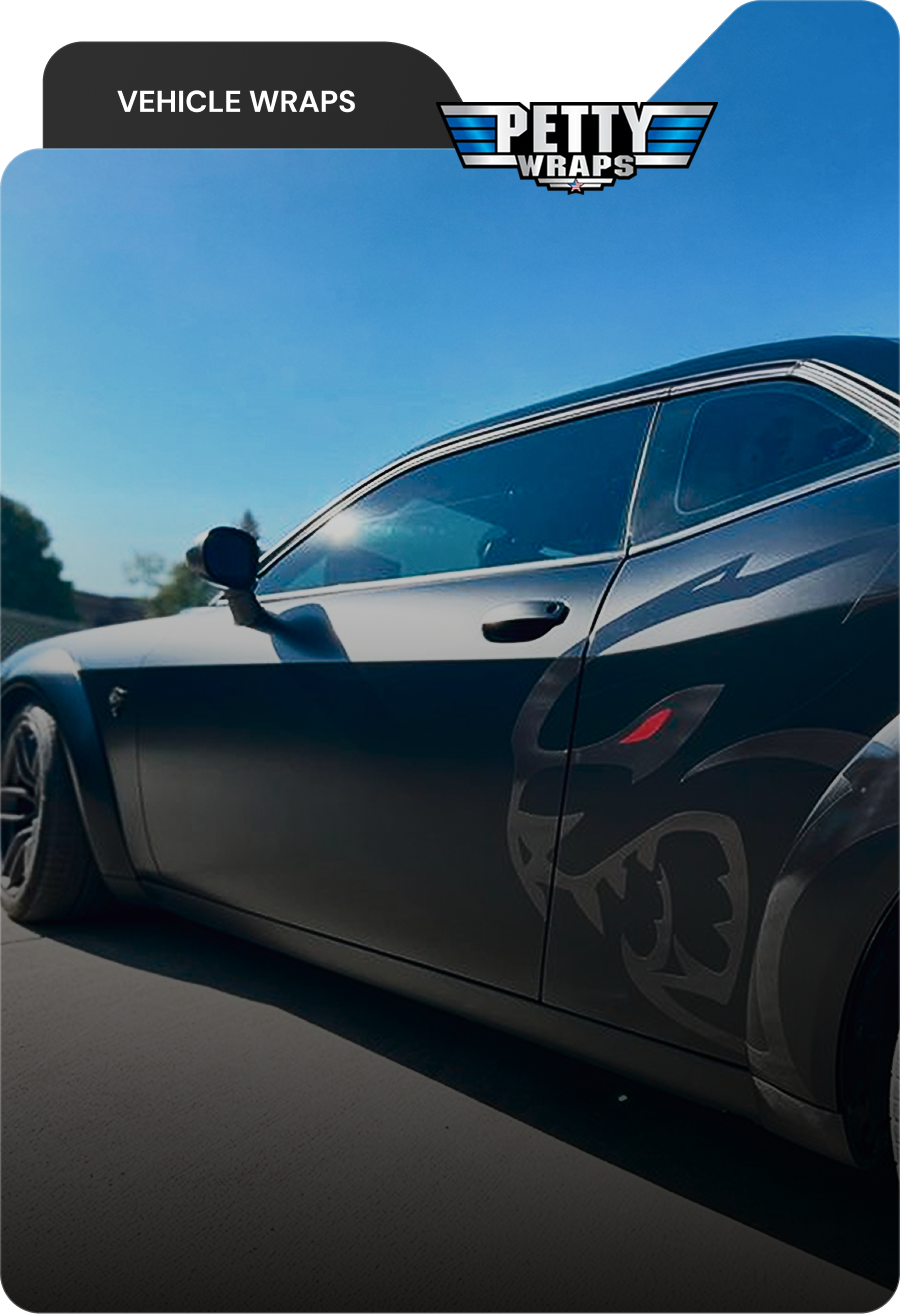
Get answers about materials, durability, care, fleet wrapsand more.
Yes. A professionally designed vehicle wrap turns your car, van, or truck into a mobile advertisement that promotes your business everywhere you drive or park. For businesses with multiple vehicles, fleet wraps also create a consistent, professional brand presence across the entire fleet. At PettyWraps, we combine professional installation with premium wrap materials to give your vehicles a polished, high-quality appearance that represents your business the right way.
Yes. Leased vehicles can generally be wrapped because professional automotive wrap vinyl is designed to be removable. When premium vinyl is properly installed and professionally removed, it should not damage healthy factory paint. We still recommend checking your specific lease agreement before wrapping a leased vehicle. A quality wrap can also help protect the original paint from UV exposure, road contaminants, and minor surface scratches, helping preserve the vehicle's appearance and potentially its resale value.
A full wrap covers most or all of the vehicle's painted exterior, creating the biggest visual transformation and maximum advertising space. A partial wrap covers selected areas—such as the doors, sides, hood, roof, or rear—and can provide a strong visual impact at a lower cost. Material quality matters. PettyWraps uses premium, professional-grade wrap films selected for durability, conformability, color stability, and long-term outdoor performance. Higher-quality cast vinyl and protective laminates generally provide better results and longer-lasting performance than lower-grade materials.
Yes. Premium vehicle wrap films are engineered to handle changing temperatures, rain, sunlight, and everyday outdoor exposure. The actual lifespan will depend on climate, UV exposure, vehicle storage, maintenance, and the specific material used. This is one reason PettyWraps prioritizes high-quality professional wrap materials rather than lower-cost vinyl. Better materials, combined with proper surface preparation and professional installation, help reduce premature fading, lifting, cracking, and peeling. Eco-conscious wrap film options are also available from some manufacturers. Ask our team about available materials if sustainability is a priority for your project.
Proper care helps your wrap look its best and last longer. We recommend hand washing with mild automotive soap, clean water, and a soft microfiber cloth or using a touchless car wash. Avoid automatic brush washes, harsh chemicals, abrasive cleaners, and directing high-pressure water at edges or seams. Whenever possible, parking in a garage or shaded area can also help reduce long-term UV exposure. Starting with premium wrap materials gives you a better foundation, but proper maintenance is still important for getting the longest possible life and best appearance from your wrap.
Yes. Premium automotive wrap films are specifically designed to be removable. When the vehicle has healthy factory paint and the wrap is professionally installed and removed within the material's recommended service life, it can typically be removed without damaging the paint underneath. The wrap also provides an additional layer of protection against UV exposure, road contaminants, and minor surface scratches while installed. Material quality makes a significant difference here. Lower-quality or excessively aged vinyl can become brittle or leave more adhesive behind, which is another reason PettyWraps uses professional-grade wrap materials.
A professionally installed vehicle wrap can typically last several years, with many premium wrap films offering an expected service life in the range of approximately 3–7 years depending on the material, installation, climate, UV exposure, vehicle storage, and maintenance. At PettyWraps, we focus on premium materials and professional installation because both directly affect how your wrap looks today and how well it performs over time. Vehicles that are regularly garaged and properly maintained will generally get more life from their wraps than vehicles exposed to intense sunlight and weather every day.
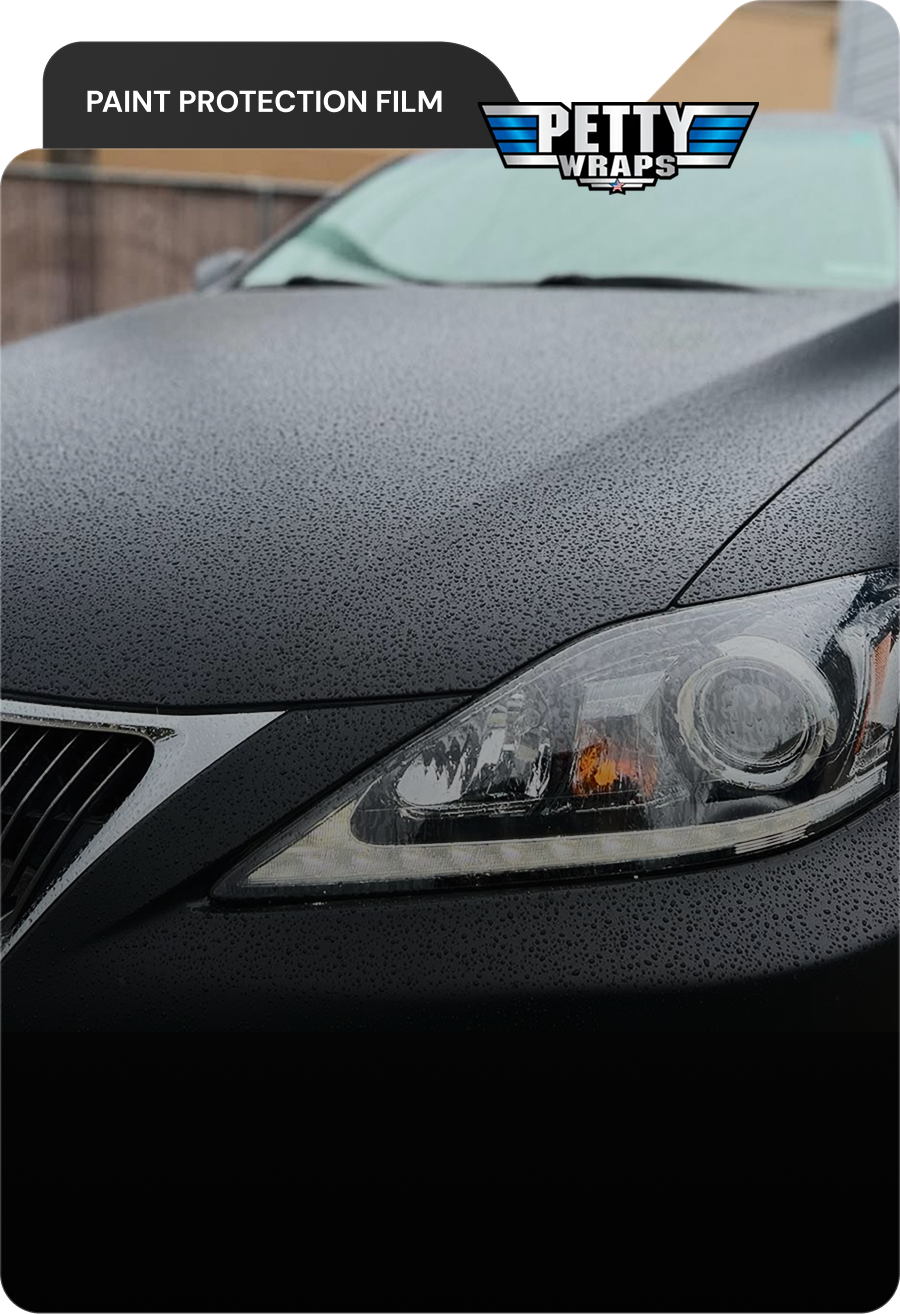
Get answers about PPF coverage, durability, maintenance and more.
Paint protection film (PPF) and ceramic coating protect a vehicle in different ways. PPF is a durable, transparent urethane film that creates a physical barrier between your vehicle's paint and rock chips, scratches, road debris, and other everyday impacts. Ceramic coating is a liquid coating that bonds to the vehicle's surface and primarily provides added gloss, water repellency, and easier cleaning, but it offers much less protection against physical impacts. For drivers primarily concerned about protecting their vehicle from rock chips, scratches, and road debris, PPF provides the stronger physical barrier. PettyWraps specializes in professional paint protection film installation in Spokane using premium PPF selected for durability, optical clarity, impact resistance, and long-term performance.
Paint protection film can be installed on virtually any painted exterior surface of a vehicle. The most common areas include the front bumper, hood, front fenders, side mirrors, rocker panels, and other areas that regularly encounter rocks and road debris. PettyWraps offers everything from targeted high-impact protection to full-front and full-vehicle PPF coverage. Full-body PPF provides the most comprehensive protection by covering nearly all painted exterior surfaces. Our team can recommend the right coverage based on your vehicle, how you drive, and the level of protection you're looking for.
Yes. Paint protection film is specifically designed to help protect automotive paint from rock chips, road debris, minor scratches, and everyday driving damage. This can be especially valuable for vehicles driven regularly on highways and throughout Spokane and Eastern Washington, where gravel, winter road debris, and changing weather conditions can take a toll on exposed paint. PettyWraps uses premium PPF engineered to provide strong impact resistance while maintaining a clear, nearly invisible appearance over your vehicle's original paint.
Premium paint protection film can last up to 10 years when professionally installed and properly maintained, depending on the specific film, driving conditions, exposure, and care. PettyWraps uses premium PPF from trusted manufacturers selected for long-term durability, optical clarity, and resistance to yellowing and environmental exposure. That's particularly important in Spokane, where vehicles experience everything from winter snow, ice, and road contaminants to strong summer sun and heat. Professional installation and proper maintenance help your PPF provide protection and maintain its appearance throughout its expected service life.
Cars with paint protection film can be washed much like a traditionally painted vehicle, but proper care will help the film last longer and maintain its appearance. We recommend regular hand washing with quality automotive soap and a soft microfiber wash mitt, followed by drying with a clean microfiber towel. Touchless car washes are generally preferable to automatic brush washes, which can be harder on PPF edges over time. Avoid abrasive cleaners and directing high-pressure water directly at film edges or seams. Premium PPF is designed for everyday use and does not require complicated maintenance to keep your vehicle protected.
Yes. Professionally installed paint protection film can typically be removed without damaging healthy factory paint when the proper techniques are used. High-quality PPF and professional installation make a significant difference. Premium films are engineered not only to protect the vehicle while installed but also to allow professional removal when replacement is eventually needed. PettyWraps recommends professional PPF removal, particularly on older film, because improper removal techniques can increase the risk of adhesive residue or damage to previously repaired or compromised paint.
Paint protection film can be a worthwhile investment for vehicle owners who want to preserve their paint and reduce damage from rock chips, scratches, road debris, and everyday driving. PPF is especially beneficial for new vehicles, luxury and performance vehicles, leased vehicles, frequently driven vehicles, and cars that spend significant time on highways. Installing PPF while the paint is still in excellent condition helps preserve the original finish before damage occurs. For Spokane drivers, PPF also provides an additional layer of protection against the changing road and weather conditions experienced throughout the year. At PettyWraps, we use premium paint protection films and professional installation techniques to provide long-lasting protection while preserving the appearance of your vehicle.
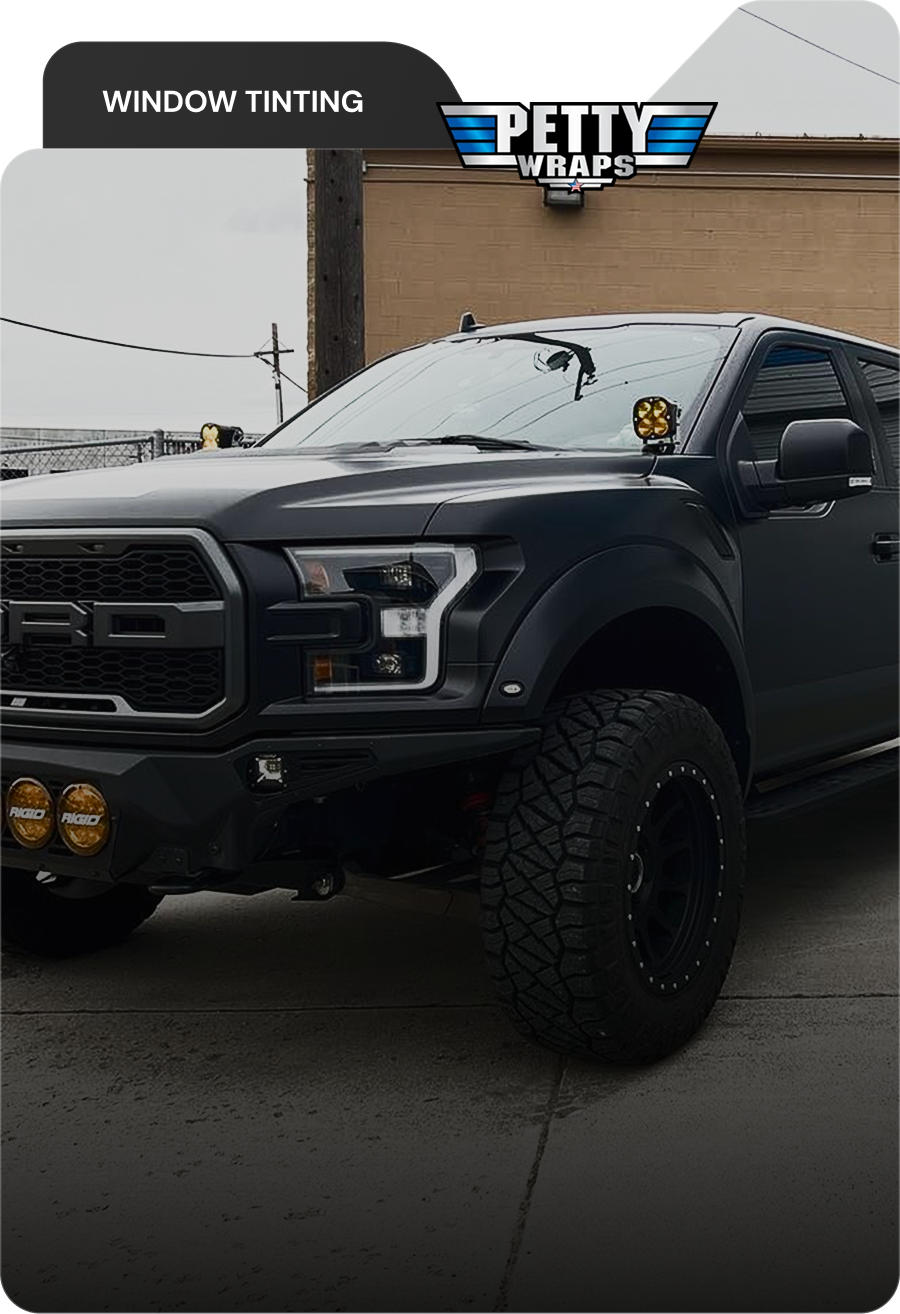
Get answers about film types, UV protection, laws, Maintenance and more.
Ceramic, carbon, dyed, and metallic window tint differ primarily in heat rejection, UV protection, durability, appearance, signal interference, and price. Dyed tint is generally the most basic option and provides privacy and glare reduction but typically offers less heat rejection and longevity. Metallic films can provide good heat rejection but may interfere with GPS, radio, and cellular signals. Carbon films provide better heat rejection without metallic signal interference. Premium ceramic window films provide excellent heat and UV rejection, optical clarity, and performance without interfering with electronic signals. At PettyWraps in Spokane, we prioritize premium-quality window films because the quality of the material has a major impact on heat rejection, clarity, color stability, and how the tint looks and performs over time.
A good automotive window tint warranty should clearly explain coverage for issues such as bubbling, peeling, cracking, adhesive failure, and abnormal discoloration or fading. The quality of the film itself is just as important as the warranty. Premium window films are engineered for better color stability, clarity, heat rejection, and long-term durability than inexpensive films. At PettyWraps, we believe a professional window tint installation should combine high-quality film, proper installation, and strong manufacturer-backed protection.
Yes. High-quality automotive window tint can block a significant amount of harmful UV radiation while also reducing solar heat and glare inside the vehicle. Premium films can block up to 99% of UV rays, depending on the specific product. Heat rejection varies considerably between different types and grades of window film, which is one reason PettyWraps focuses on premium window tint products rather than simply installing the least expensive film available. Immediately after installation, you may notice a slightly hazy appearance or small moisture pockets beneath the film. This can be a normal part of the curing process and should disappear as the film dries. Persistent bubbling after the film has fully cured can be a sign of film or installation problems.
Washington law generally requires window tint to allow at least 24% of visible light through applicable vehicle windows and limits total reflectance to 35% or less. Different rules can apply to windows behind the driver on certain trucks, SUVs, vans, motor homes, and other multipurpose passenger vehicles. Washington also places additional restrictions on windshield tint. Certain transparent material may be installed along the upper edge of the windshield within legal limits, and clear UV-reducing film may be permitted on the windshield. Medical exceptions are available under Washington law with written verification from a licensed physician. PettyWraps can help Spokane-area drivers choose window tint that delivers the appearance, privacy, heat rejection, and UV protection they want while staying within applicable Washington tint regulations.
Premium automotive window tint can last many years when professionally installed and properly maintained. The exact lifespan depends on the type and quality of film, sun exposure, vehicle storage, and environmental conditions. Lower-quality films are generally more susceptible to fading, discoloration, bubbling, and adhesive failure over time. PettyWraps uses premium window films selected for long-term clarity, color stability, heat rejection, and durability. Most professional automotive window tint installations can be completed within a few hours, although installation time depends on the vehicle, number of windows, existing tint removal, and complexity of the job.
Professional window tint installation generally produces better and more consistent results than a DIY tint kit. Proper installation requires precise cutting and positioning of the film, thorough glass preparation, contamination control, and experience working around window edges and vehicle components. Professional installation also makes it easier to select a film and tint level appropriate for Washington regulations. PettyWraps combines professional installation with premium-quality window film to achieve clean edges, consistent coverage, excellent optical clarity, and a finish designed to last.
After having your windows professionally tinted, allow the film to cure before cleaning the inside of the glass. Your installer can tell you how long to wait based on the film and current weather conditions. Once cured, use an ammonia-free automotive glass cleaner and a clean, soft microfiber cloth. Avoid abrasive pads, harsh chemicals, razor blades, or other materials that could scratch or damage the film. Proper cleaning combined with high-quality window film helps maintain the tint's clarity, appearance, and performance for years.
PPF Warranty
Our PPF has a ten year manufacturer warranty against yellowing or fading.
Tint Warranty
Our tint has a lifetime limited manufacturer warranty.
Manufacturer Warranty
Our vehicle wraps have a 3 year manufacturer limited warranty.
Craftsman Warranty
PW carries a one year craftsmanship warranty on all our installations.
Let’s bring your vision to life.